


Tribute to Pr.Dr. Hussein Abdel-Razzak Al Gezairy: The Builder of Arab-Islamic Medicine

Updated: Jun 12
Dr. Zoubeida BOUKHARI
International Consultant
In Culture and Environnemental Communication
Coordinator of the research group
"Women's Thought and Creativity In the Islamic World"
This article is a solemn tribute to one of the most iconic and respected figures of medicine in the Arab world, Dr Hussein Abdel-Razzak Al Gezairy. A true visionary, this great man not only laid the foundations of the modern healthcare system in Saudi Arabia, but he also transformed women's access to the medical profession, turning a cultural challenge into a major strategic asset for public health at both regional and international levels.
The link between his monumental work and the current rise of women doctors is both structural and historical. It all began at the national level in 1969, when Dr. Al Gezairy, as founder and dean, established the Kingdom's very first college of medicine at King Saudi Arabia University in Riyadh. By introducing rigorous academic standards from the outset and benefiting from the political support of the reforms of that era, notably under King Faisal, he legitimized women's access to higher scientific education, convinced that training local expertise of both genders was essential to effectively treat society.
This vision was consolidated during his tenure as Minister of Health between 1975 and 1982. Faced with a rapidly expanding healthcare system that relied heavily on foreign labor at the time, he realized very early on, despite the conservative norms of the era, that the presence of Saudi women doctors constituted a unique cultural and healthcare lever. To effectively reduce maternal and infant mortality, it was crucial that female patients could consult local female practitioners with total confidence, thereby respecting modesty and traditions without blocking access to advanced healthcare. By integrating the first female graduates into Saudi public hospitals, he greatly contributed to making the medical profession accepted as one of the most respected, rewarding, and legitimate careers for women in his country.
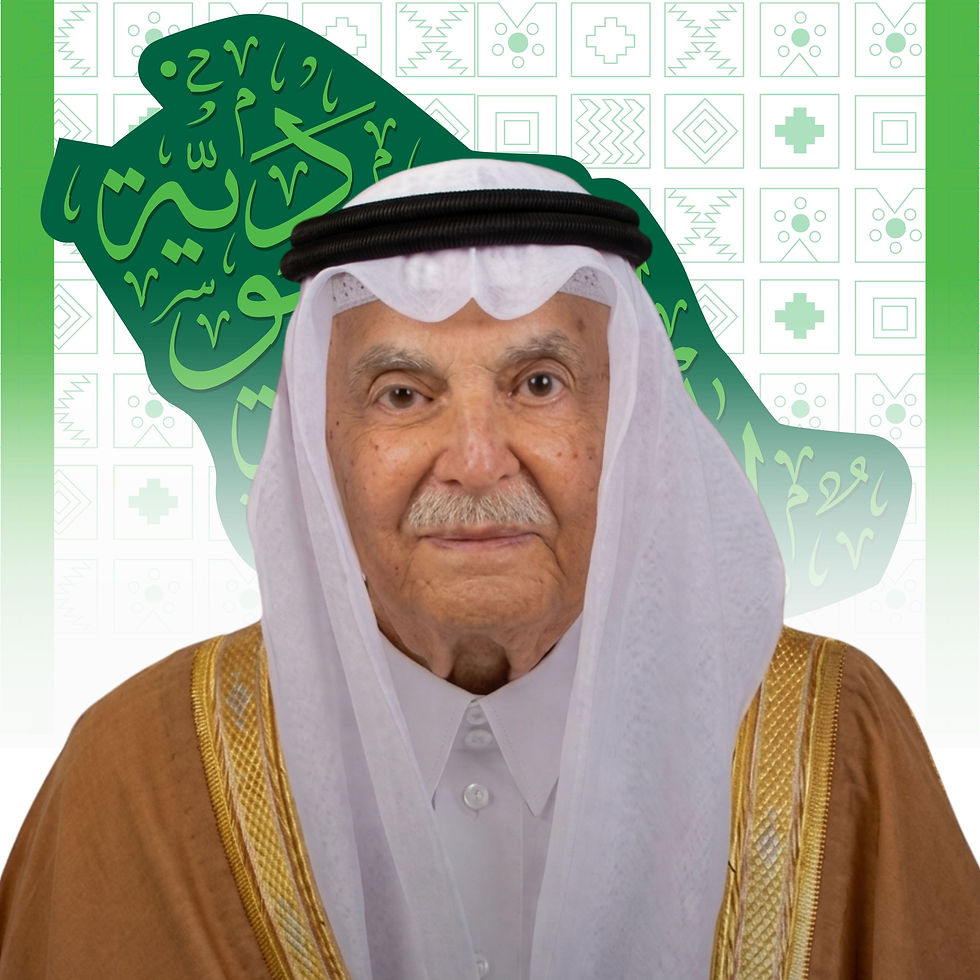
Subsequently, his election in 1982 as the Regional Director of the WHO for the Eastern Mediterranean (EMRO), a position he honored for thirty years, allowed this model to be transposed to the entire Arab world. At this international scale, Dr. Al Gezairy increased programs dedicated to integrating women into health governance, tirelessly championing the idea that the health of Arab-Muslim families depended directly on the level of education and autonomy of female healthcare professionals. Through his advocacy for community-oriented medicine, the Arab woman doctor became, under his impulse, the central pillar to break down barriers to healthcare, particularly in rural or traditional areas of the Middle East. His official messages at the WHO regularly emphasized the need to collect sex-disaggregated data to better meet women's health needs, while encouraging Arab universities to promote female –researchers and professors.
To fully appreciate the magnitude of this extraordinary journey and to understand the behind-the-scenes dynamics of these historic transformations from the inside, it is indispensable to dive into the writings of the master himself. It is through his famous memoir,’’ Wamadhat min al-thakira’’ (Flashes of Memory), that Dr. Al Gezairy delivers as an invaluable testimony to his century of dedication.
Professor Dr Hussein Abdel-Razzak Al Gezairy is, above all, a man of conviction, commitment, values, and example. He is simply a patriot - a man of great ethics who believes in his country, its capabilities, its needs, and its destiny. He brilliantly observes in his writings:
“Many think that health consists of building hospitals, but that is about treatment. True health is in prevention and the environment.“
A medical surgeon, career academic, and notoriously known throughout the world, he consistently demonstrated a sharp sense for the necessary reforms Saudi Arabia urgently needed in order to progress in sensitive areas such as public health, social welfare and human development. Throughout his life, he climbed every rung of medical and academic ladder, driven by a vision to bring hope, to aid the sick and to comfort those in need. Rising to the rank of educator with a heightened sense of science, conscience, humanism, and communication, he ensured that the healthcare professionals under his responsibility were trained and supported in the best possible way.
We strongly recommend reading and appreciating his book so that these journeys may serve as an edifying, inspiring and restorative example for future generations. Recalling his beginning, he shares:
“My initial dream was to be a surgeon. That being said, I also contributed to creation of the first medical school in Saudi Arabia.”
After studying in Edinburgh- discovering a different culture and unique conditions- he worked through international partnership and intergovernmental recognition of Saudi Arabia medical degrees. He notes:
” I can say that we were sometimes even stricter than the British examiners … In Saudi Arabia, our achievements have exceeded our wildest dreams: from a single medical school, we have grown to over thirty. In contrast, some other countries have unfortunately regressed because of conflicts.”
At every level of his national and international influence, his stellar reputation was never denied. Professor Dr. Al Gezairy is appreciated as much for his scientific and political qualities as for his interpersonal skills. His great courtesy, intellectual acumen, and politeness, coupled with a naturally serene and calming diplomacy, made him a figure consistently esteemed, praised and rewarded worldwide.
Returning to the moment of his appointment as a Minister of health, he humbly recalled being considered for the position alongside his esteemed colleague Dr. Hussein Shuweil, while he had been serving as Dean of the Faculty of Medicine. He admitted:
“Leading the Ministry of Health in Saudi Arabia was a daunting task in such a vast country, especially in the 1973s, when healthcare services were still quite limited.”
At that time, forward-looking and structured health policies were almost non-existent. Despite the massive rise in revenues following the 1973 oil boom and the creation of a Ministry of planning, it still required exceptional leadership, good governance, and immense vision to channel those resources into a sustainable healthcare system.
In short, Dr. Al Gezairy’s legacy demonstrates that the status of excellence currently enjoyed by healthcare professionals-and women doctors in particular-in the Arab world is not a simple modern coincidence. It is the fruit of a deeply humanistic, visionary public health strategy initiated half a century ago by this great pioneer, whose memory will forever inspire the future of medicine.


